Like us on facebook
Follow us on twitter
review us on google

Understanding Two Common Types of Arthritis in the Feet

Osteoarthritis and rheumatoid arthritis both affect joints, but they develop in very different ways. Osteoarthritis is a wear-related condition that occurs when joint cartilage gradually breaks down over time. In the feet, it often causes stiffness, aching, and pain that worsens with activity and improves with rest. Rheumatoid arthritis is an autoimmune disease in which the immune system attacks joint lining. This leads to inflammation, swelling, warmth, and pain that may affect both feet symmetrically. Symptoms often feel worse in the morning or after periods of rest. Rheumatoid arthritis can also cause joint deformity if left untreated. Treatment approaches differ. Osteoarthritis care focuses on reducing stress on joints and improving movement, while rheumatoid arthritis requires medical management to control inflammation and protect joints. If foot pain, stiffness, or swelling persists, it is suggested that you see a podiatrist for an evaluation and treatment guidance.

Arthritis can be a difficult condition to live with. If you are seeking treatment, contact Franklin Harry, DPM from Best Foot Forward. Our doctor can provide the care you need to keep you pain-free and on your feet.

Arthritic Foot Care  

Arthritis is a term that is commonly used to describe joint pain.  The condition itself can occur to anyone of any age, race, or gender, and there are over 100 types of it.  Nevertheless, arthritis is more commonly found in women compared to men, and it is also more prevalent in those who are overweight. The causes of arthritis vary depending on which type of arthritis you have. Osteoarthritis for example, is often caused by injury, while rheumatoid arthritis is caused by a misdirected immune system.

Symptoms

  • Swelling
  • Pain
  • Stiffness
  • Decreased Range of Motion

Arthritic symptoms range in severity, and they may come and go. Some symptoms stay the same for several years but could potentially get worse with time. Severe cases of arthritis can prevent its sufferers from performing daily activities and make walking difficult.

Risk Factors

  • Occupation – Occupations requiring repetitive knee movements have been linked to osteoarthritis
  • Obesity – Excess weight can contribute to osteoarthritis development
  • Infection – Microbial agents can infect the joints and trigger arthritis
  • Joint Injuries – Damage to joints may lead to osteoarthritis
  • Age – Risk increases with age
  • Gender –Most types are more common in women
  • Genetics – Arthritis can be hereditary

If you suspect your arthritis is affecting your feet, it is crucial that you see a podiatrist immediately. Your doctor will be able to address your specific case and help you decide which treatment method is best for you.

If you have any questions please feel free to contact our offices located in Festus and St. Louis, MO . We offer the newest diagnostic tools and technology to treat your foot and ankle needs.

Read more about How to Care for Your Arthritic Foot

Achilles Tendon Ruptures and Podiatric Care

An Achilles tendon rupture is a serious injury involving a partial or complete tear of the tendon that connects the calf muscles to the heel bone. It is commonly caused by sudden increases in activity, forceful push off movements, trauma, or weakened tendons from overuse. Symptoms often include sudden pain in the back of the ankle, swelling, difficulty walking, and the sensation of hearing or feeling a pop at the time of injury. Loss of strength and limited ankle motion may follow. A podiatrist can help by performing a thorough evaluation, confirming the diagnosis, and developing a personalized treatment plan that may include immobilization, or surgical care, when needed. Early treatment is essential for optimal healing. If you experience sudden ankle pain or hear a popping sound, it is suggested that you promptly contact a podiatrist for a personalized treatment plan. 

Achilles tendon injuries need immediate attention to avoid future complications. If you have any concerns, contact Franklin Harry, DPM of Best Foot Forward. Our doctor can provide the care you need to keep you pain-free and on your feet.

What Is the Achilles Tendon?

The Achilles tendon is a tendon that connects the lower leg muscles and calf to the heel of the foot. It is the strongest tendon in the human body and is essential for making movement possible. Because this tendon is such an integral part of the body, any injuries to it can create immense difficulties and should immediately be presented to a doctor.

What Are the Symptoms of an Achilles Tendon Injury?

There are various types of injuries that can affect the Achilles tendon. The two most common injuries are Achilles tendinitis and ruptures of the tendon.

Achilles Tendinitis Symptoms

  • Inflammation
  • Dull to severe pain
  • Increased blood flow to the tendon
  • Thickening of the tendon

Rupture Symptoms

  • Extreme pain and swelling in the foot
  • Total immobility

Treatment and Prevention

Achilles tendon injuries are diagnosed by a thorough physical evaluation, which can include an MRI. Treatment involves rest, physical therapy, and in some cases, surgery. However, various preventative measures can be taken to avoid these injuries, such as:

  • Thorough stretching of the tendon before and after exercise
  • Strengthening exercises like calf raises, squats, leg curls, leg extensions, leg raises, lunges, and leg presses

If you have any questions please feel free to contact our offices located in Festus and St. Louis, MO . We offer the newest diagnostic tools and technology to treat your foot and ankle needs.

Read more about The Causes, Types, and Treatments of Achilles Tendon Injuries

Why Pain Develops in the 2nd Toe

Pain in the second toe is a frequent complaint podiatrists hear and can develop for several reasons. This toe often absorbs extra pressure during walking, especially when the big toe does not move well or when foot structure puts more weight on the front of the foot. Over time, the joint at the base of the toe may become irritated, stiff, or swollen. Hammertoe changes can also affect the second toe, causing rubbing in shoes and joint discomfort. In some cases, inflammation surrounding the joint or strain of nearby ligaments can lead to aching or sharp pain. Wearing footwear with a narrow toe box or high heels may worsen symptoms by crowding the toes. Early signs may include soreness, redness, or a feeling of fullness under the ball of the foot. If you have second-toe pain that persists or affects walking, it is suggested that you see a podiatrist for a proper diagnosis and appropriate treatment.

Toe pain can disrupt your daily activities. If you have any concerns, contact Franklin Harry, DPM of Best Foot Forward. Our doctor can provide the care you need to keep you pain-free and on your feet.

What Causes Toe Pain?

Most severe toe pain is caused due to a sports injury, trauma from dropping something heavy on the toe, or bumping into something rigid. Other problems can develop over time for various reasons.

Toe pain can be caused by one or more ailments. The most common include:

  • Trauma
  • Sports injury
  • Wearing shoes that are too tight
  • Arthritis
  • Gout
  • Corns and calluses
  • Hammertoe
  • Bunions
  • Blisters
  • Ingrown toenails
  • Sprains
  • Fractures (broken bones)
  • Dislocations

When to See a Podiatrist

  • Severe pain
  • Persistent pain that lasts more than a week
  • Signs of infection
  • Continued swelling
  • Pain that prevents walking

Diagnosis

In many cases the cause of toe pain is obvious, but in others, a podiatrist may want to use more advanced methods to determine the problem. These can range from simple visual inspections and sensation tests to X-rays and MRI scans. Prior medical history, family medical history, and any recent physical traumatic events will all be taken into consideration for a proper diagnosis.

Treatment

Treatments for toe pain and injuries vary and may include shoe inserts, padding, taping, medicines, injections, and in some cases, surgery. If you believe that you have broken a toe, please see a podiatrist as soon as possible.

If you have any questions please contact our offices located in Festus and St. Louis, MO . We offer the newest diagnostic and treatment technologies for all your foot and ankle needs.

Read more about Toe Pain

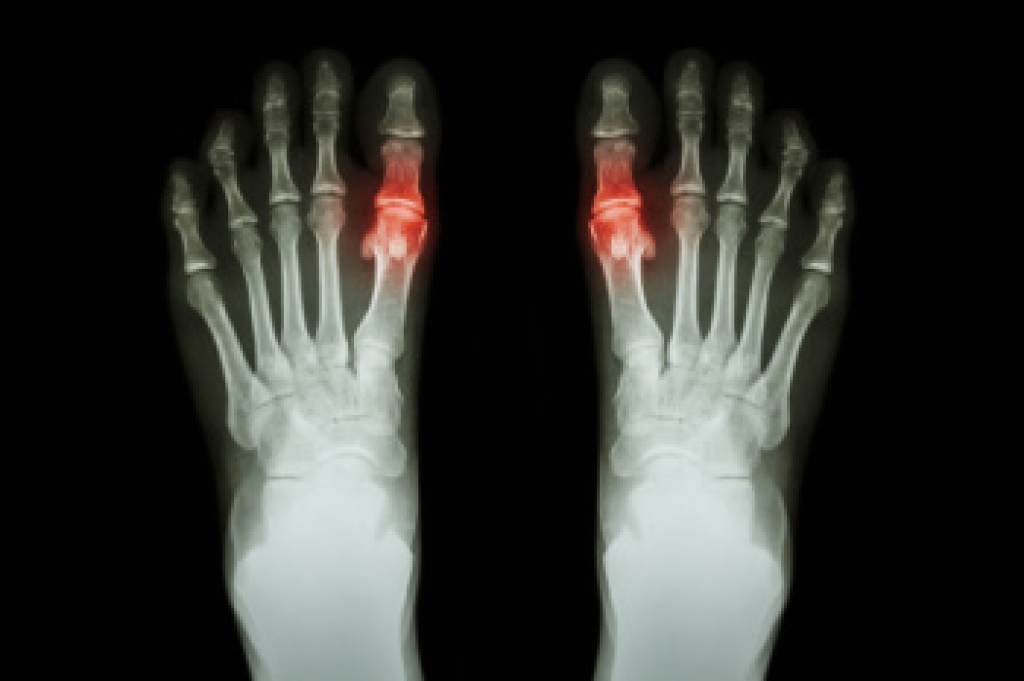
Causes and Risks Factors for Elderly Foot Pain

Chronic foot pain is a common concern among older adults, and it often increases with advancing age. Years of wear and tear can weaken bones, joints, ligaments, and soft tissues, making the feet more vulnerable to discomfort and injury. Risk factors include being female, excess body weight, and conditions such as osteoarthritis, which can cause stiffness, swelling, and ongoing pain. Depression may also play a role by altering pain perception and reducing physical activity, which can further strain the feet. A podiatrist can identify the source of chronic foot pain through a thorough evaluation and imaging, when needed. Treatment may include custom orthotics, footwear guidance, targeted therapies, and management of underlying conditions. If foot pain is limiting your mobility or quality of life, it is suggested that you seek professional care with a podiatrist who can treat various foot and ankle conditions, and guide you on elderly foot care tips.

Proper foot care is something many older adults forget to consider. If you have any concerns about your feet and ankles, contact Franklin Harry, DPM from Best Foot Forward. Our doctor can provide the care you need to keep you pain-free and on your feet.

The Elderly and Their Feet

As we age we start to notice many changes in our body, but the elder population may not notice them right away. Medical conditions may prevent the elderly to take notice of their foot health right away. Poor vision is a lead contributor to not taking action for the elderly.

Common Conditions 

  • Neuropathy – can reduce feeling in the feet and can hide many life-threatening medical conditions.
  • Reduced flexibility – prevents the ability of proper toenail trimming, and foot cleaning. If left untreated, it may lead to further medical issues.
  • Foot sores – amongst the older population can be serious before they are discovered. Some of the problematic conditions they may face are:
  • Gouging toenails affecting nearby toe
  • Shoes that don’t fit properly
  • Pressure sores
  • Loss of circulation in legs & feet
  • Edema & swelling of feet and ankles

Susceptible Infections

Diabetes and poor circulation can cause general loss of sensitivity over the years, turning a simple cut into a serious issue.

If you have any questions, please feel free to contact our offices located in Festus and St. Louis, MO . We offer the newest diagnostic and treatment technologies for all your foot care needs.

Read more about Taking Care of Elderly Feet
scroll to top