Like us on facebook
Follow us on twitter
review us on google

Foot Wound Care and Why Early Treatment Matters

Foot wounds should never be ignored, because even a small injury can become a serious problem if it does not heal properly. A foot wound may include a cut, blister, skin tear, or sore that affects the skin and underlying tissue. These wounds can develop from pressure, friction, injury, or another foot condition. People with diabetes, poor circulation, or reduced feeling in their feet have a greater risk because they may not notice an injury right away. Common warning signs include redness, swelling, and drainage. If left untreated, a wound may become infected or take much longer to heal. Receiving prompt professional foot wound care can help reduce the risk of complications and support healthy healing.


A podiatrist carefully evaluates the wound to determine its size, depth, and overall condition before creating a personalized treatment plan. They also check for signs of infection or poor circulation that could slow the healing process. Treatment may include removing damaged tissue, applying specialized dressings, and reducing pressure on the affected area. Follow-up visits allow the podiatrist to monitor healing and adjust treatment when needed. Professional wound care is especially important for people with diabetes and others who have a higher risk of delayed healing or infection.


Early treatment gives foot wounds the best chance to heal while helping prevent more serious complications. Delaying care may allow the wound to worsen. This increases the risk of infection and damage to surrounding tissue. Regular evaluations by a podiatrist support healing and help protect long-term foot health. Whether a wound is minor or more advanced, professional care provides the treatment and monitoring needed for recovery. If you have a foot wound or notice signs of infection, it is suggested that you consult a podiatrist for an evaluation and appropriate treatment options.

Wound care is an important part in dealing with diabetes. If you have diabetes and a foot wound or would like more information about wound care for diabetics, consult with Franklin Harry, DPM from Best Foot Forward. Our doctor will assess your condition and provide you with quality foot and ankle treatment.

What Is Wound Care?

Wound care is the practice of taking proper care of a wound. This can range from the smallest to the largest of wounds. While everyone can benefit from proper wound care, it is much more important for diabetics. Diabetics often suffer from poor blood circulation which causes wounds to heal much slower than they would in a non-diabetic. 

What Is the Importance of Wound Care?

While it may not seem apparent with small ulcers on the foot, for diabetics, any size ulcer can become infected. Diabetics often also suffer from neuropathy, or nerve loss. This means they might not even feel when they have an ulcer on their foot. If the wound becomes severely infected, amputation may be necessary. Therefore, it is of the upmost importance to properly care for any and all foot wounds.

How to Care for Wounds

The best way to care for foot wounds is to prevent them. For diabetics, this means daily inspections of the feet for any signs of abnormalities or ulcers. It is also recommended to see a podiatrist several times a year for a foot inspection. If you do have an ulcer, run the wound under water to clear dirt from the wound; then apply antibiotic ointment to the wound and cover with a bandage. Bandages should be changed daily and keeping pressure off the wound is smart. It is advised to see a podiatrist, who can keep an eye on it.

If you have any questions please contact our offices located in Festus and St. Louis, MO . We offer the newest diagnostic and treatment technologies for all your foot and ankle needs.

Read more about Wound Care

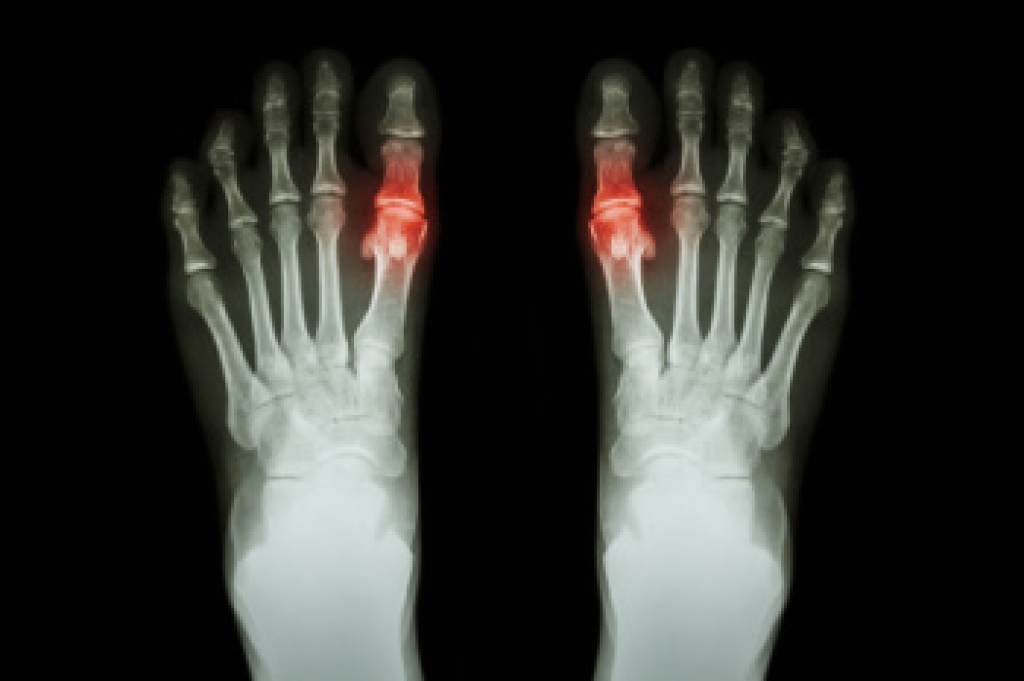
Gout Pain Can Be Managed

Gout is a painful, inflammatory form of arthritis. Those affected will typically feel an intense stiffness in the joints of their feet, particularly in the big toe. Schedule a visit to learn about how gout can be managed and treated.

When Foot Symptoms May Signal Diabetic Neuropathy

Diabetic neuropathy is nerve damage linked to prolonged blood sugar changes, and the feet are often affected first. Early signs may be easy to ignore, such as tingling, burning, pins-and-needles sensations, or unusual numbness in the toes. Some people feel sharp, shooting pain, while others notice their feet seem less sensitive to heat, cold, or minor injuries. This loss of feeling can be especially concerning because cuts, blisters, or pressure spots may go unnoticed, and worsen over time. Muscle weakness in the feet can also change the way a person walks, leading to balance problems or foot shape changes. Because these symptoms may develop gradually, many people do not realize nerve damage is progressing. Early evaluation can help identify the problem and reduce the risk of serious complications. If you have unusual foot symptoms and diabetes, it is suggested that you are under the care of a podiatrist who can help you to manage this serious condition.

Diabetic foot care is important in preventing foot ailments such as ulcers. If you are suffering from diabetes or have any other concerns about your feet, contact Franklin Harry, DPM from Best Foot Forward. Our doctor can provide the care you need to keep you pain-free and on your feet.

Diabetic Foot Care

Diabetes affects millions of people every year. The condition can damage blood vessels in many parts of the body, especially the feet. Because of this, taking care of your feet is essential if you have diabetes, and having a podiatrist help monitor your foot health is highly recommended.

The Importance of Caring for Your Feet

  • Routinely inspect your feet for bruises or sores.
  • Wear socks that fit your feet comfortably.
  • Wear comfortable shoes that provide adequate support.

Patients with diabetes should have their doctor monitor their blood levels, as blood sugar levels play such a huge role in diabetic care. Monitoring these levels on a regular basis is highly advised.

It is always best to inform your healthcare professional of any concerns you may have regarding your feet, especially for diabetic patients. Early treatment and routine foot examinations are keys to maintaining proper health, especially because severe complications can arise if proper treatment is not applied.

If you have any questions, please feel free to contact our offices located in Festus and St. Louis, MO . We offer the newest diagnostic and treatment technologies for all your foot care needs.

Read more about Diabetic Foot Conditions

Athlete’s Foot Causes and Symptoms

Athlete’s foot is a fungal infection that affects the skin of the feet, particularly between the toes. This condition, also known as tinea pedis, develops when fungi thrive in warm, moist environments, like sweaty shoes and locker rooms. It is extremely contagious and can spread through direct contact or shared surfaces. Athlete’s foot can affect anyone, not just athletes, and may become chronic if left untreated. Understanding this condition is essential for maintaining healthy skin and preventing the spread of infection to other areas of the body.

Symptoms of athlete’s foot often begin with itching, burning, and stinging sensations between the toes. The skin may appear red, scaly, or cracked, and in some cases, peeling or flaking may occur. Some individuals develop small blisters that can be painful and may lead to further skin breakdown. As the infection progresses, the affected area may become dry and thickened. In more severe cases, the infection can spread to the soles or toenails. This can cause further discomfort and complications that require prompt attention.


Several risk factors increase the likelihood of developing athlete’s foot. Wearing tight, non-breathable footwear creates a warm environment where fungi can grow easily. Walking barefoot in public places like pools, gyms, and locker rooms also raises the risk of exposure. Excessive sweating, poor foot hygiene, and not changing socks regularly contribute to moisture buildup. People with a weakened immune system or underlying health condition may be more susceptible. Identifying these risk factors can help guide prevention and reduce recurrence.


The primary cause of athletes' feet is exposure to dermatophyte fungi that invade the outer layer of skin. These organisms thrive in damp conditions and spread through contaminated surfaces or personal items. Preventive care includes keeping feet clean and dry, wearing moisture wicking socks, and choosing properly fitted shoes that allow ventilation. Avoiding shared footwear and practicing good foot hygiene are also important. If you have symptoms of athlete's foot,  it is suggested that you consult a podiatrist for an accurate diagnosis and appropriate treatment, which may include prescribed medication.

Athlete’s Foot

Athlete’s foot is often an uncomfortable condition to experience. Thankfully, podiatrists specialize in treating athlete’s foot and offer the best treatment options. If you have any questions about athlete’s foot, consult with Franklin Harry, DPM from Best Foot Forward. Our doctor will assess your condition and provide you with quality treatment.

What Is Athlete’s Foot?

Tinea pedis, more commonly known as athlete’s foot, is a non-serious and common fungal infection of the foot. Athlete’s foot is contagious and can be contracted by touching someone who has it or infected surfaces. The most common places contaminated by it are public showers, locker rooms, and swimming pools. Once contracted, it grows on feet that are left inside moist, dark, and warm shoes and socks.

Prevention

The most effective ways to prevent athlete’s foot include:

  • Thoroughly washing and drying feet
  • Avoid going barefoot in locker rooms and public showers
  • Using shower shoes in public showers
  • Wearing socks that allow the feet to breathe
  • Changing socks and shoes frequently if you sweat a lot

Symptoms

Athlete’s foot initially occurs as a rash between the toes. However, if left undiagnosed, it can spread to the sides and bottom of the feet, toenails, and if touched by hand, the hands themselves. Symptoms include:

  • Redness
  • Burning
  • Itching
  • Scaly and peeling skin

Diagnosis and Treatment

Diagnosis is quick and easy. Skin samples will be taken and either viewed under a microscope or sent to a lab for testing. Sometimes, a podiatrist can diagnose it based on simply looking at it. Once confirmed, treatment options include oral and topical antifungal medications.

If you have any questions, please feel free to contact our offices located in Festus and St. Louis, MO . We offer the newest diagnostic and treatment technologies for all your foot care needs.

Read more about Athlete's Foot

Foot and Ankle Injuries From Tennis

Tennis places heavy stress on the feet and ankles because the game requires quick turns, sudden stops, and fast side-to-side movement. Common injuries include ankle sprains, heel pain, stress fractures, and Achilles tendon injuries. Hard courts place repeated pressure on the joints and bones of the feet, while slippery courts increase the risk of twisting an ankle. Wearing shoes that lack proper support can also lead to pain and instability. A podiatrist can diagnose these injuries with a physical exam and imaging tests or X-rays. Treatment includes custom orthotics to improve foot alignment and reduce pressure on painful areas. Bracing or wearing a walking boot can help protect injured tendons and bones while they heal. Stretching exercises and strengthening programs can improve balance and ankle stability. In severe cases, surgery may be needed to repair damaged tissue or fractures. If you have foot or ankle pain after playing tennis, it is suggested that you make an appointment with a podiatrist for an exam and treatment options.

Sports related foot and ankle injuries require proper treatment before players can go back to their regular routines. For more information, contact Franklin Harry, DPM of Best Foot Forward. Our doctor can provide the care you need to keep you pain-free and on your feet.

Sports Related Foot and Ankle Injuries

Foot and ankle injuries are a common occurrence when it comes to athletes of any sport. While many athletes dismiss the initial aches and pains, the truth is that ignoring potential foot and ankle injuries can lead to serious problems. As athletes continue to place pressure and strain the area further, a mild injury can turn into something as serious as a rupture and may lead to a permanent disability. There are many factors that contribute to sports related foot and ankle injuries, which include failure to warm up properly, not providing support or wearing bad footwear. Common injuries and conditions athletes face, including:

  • Plantar Fasciitis
  • Achilles Tendinitis
  • Achilles Tendon Rupture
  • Ankle Sprains

Sports related injuries are commonly treated using the RICE method. This includes rest, applying ice to the injured area, compression and elevating the ankle. More serious sprains and injuries may require surgery, which could include arthroscopic and reconstructive surgery. Rehabilitation and therapy may also be required in order to get any recovering athlete to become fully functional again. Any unusual aches and pains an athlete sustains must be evaluated by a licensed, reputable medical professional.

If you have any questions please contact our offices located in Festus and St. Louis, MO . We offer the newest diagnostic and treatment technologies for all your foot and ankle needs.

Read more about Sports Related Foot And Ankle Injuries
scroll to top