


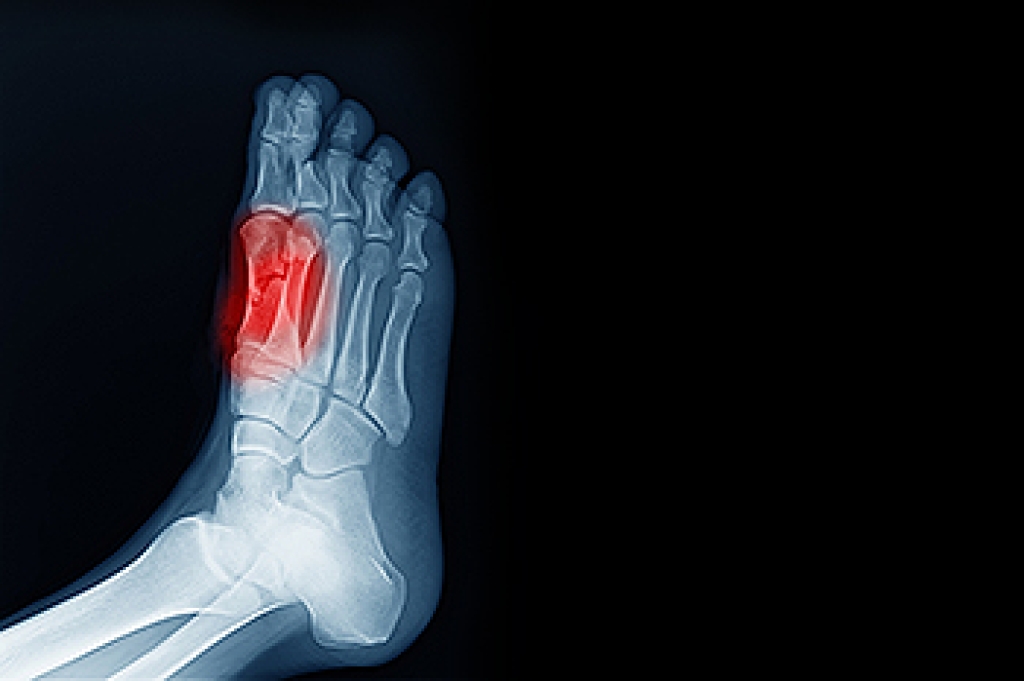
Pain under the big toe can be linked to irritation of the sesamoid bones, two small, round bones located beneath the big toe joint. These bones sit inside a tendon, a strong band of tissue that helps bend the toe. They act like shock absorbers and help support body weight when walking and running. Repetitive pressure from high-impact sports, wearing tight shoes, foot injuries, or certain foot structures can lead to inflammation in this area, known as sesamoiditis. People may notice aching, swelling, tenderness, or difficulty pushing off while walking. Pain may develop gradually and worsen with activity or when wearing shoes that press on the ball of the foot. A podiatrist can examine foot movement and order imaging tests to confirm the cause of pain. Treatment options include footwear guidance, protective padding, and custom orthotics to reduce pressure. If you have pain under the big toe, it is suggested that you make an appointment with a podiatrist for an exam, diagnosis, and treatment.
Sesamoiditis is an unpleasant foot condition characterized by pain in the balls of the feet. If you think you’re struggling with sesamoiditis, contact Franklin Harry, DPM of Best Foot Forward. Our doctor will treat your condition thoroughly and effectively.
Sesamoiditis
Sesamoiditis is a condition of the foot that affects the ball of the foot. It is more common in younger people than it is in older people. It can also occur with people who have begun a new exercise program, since their bodies are adjusting to the new physical regimen. Pain may also be caused by the inflammation of tendons surrounding the bones. It is important to seek treatment in its early stages because if you ignore the pain, this condition can lead to more serious problems such as severe irritation and bone fractures.
Causes of Sesamoiditis
- Sudden increase in activity
- Increase in physically strenuous movement without a proper warm up or build up
- Foot structure: those who have smaller, bonier feet or those with a high arch may be more susceptible
Treatment for sesamoiditis is non-invasive and simple. Doctors may recommend a strict rest period where the patient forgoes most physical activity. This will help give the patient time to heal their feet through limited activity. For serious cases, it is best to speak with your doctor to determine a treatment option that will help your specific needs.
If you have any questions, please feel free to contact our offices located in Festus and St. Louis, MO . We offer the newest diagnostic and treatment technologies for all your foot care needs.
