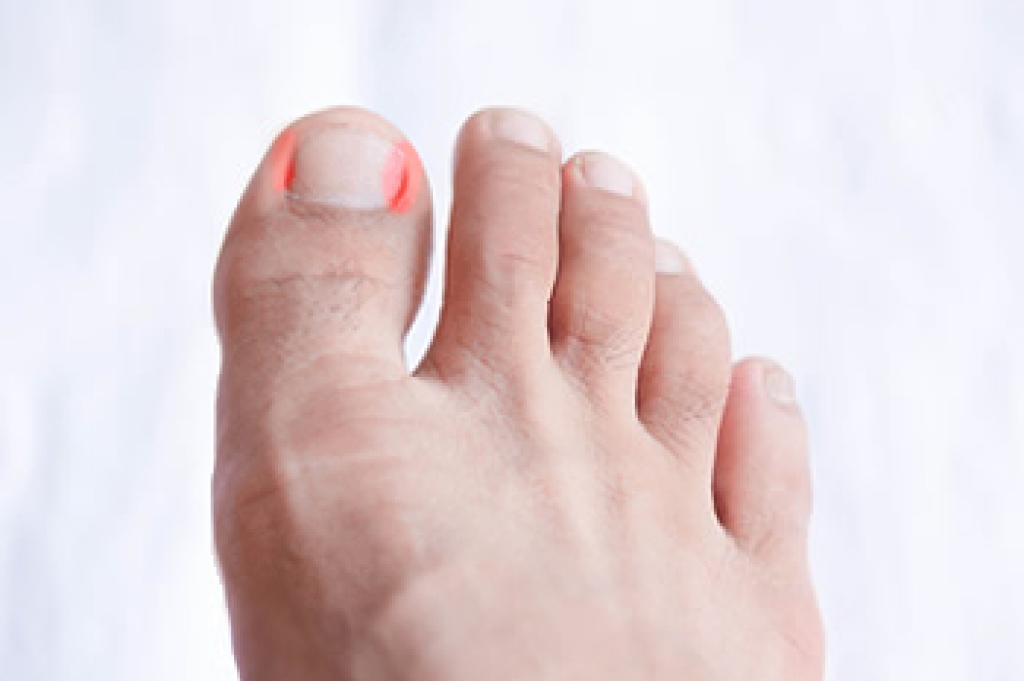
Like us on facebook
Follow us on twitter
review us on google

When Toe Pain Requires Bone Spur Surgery

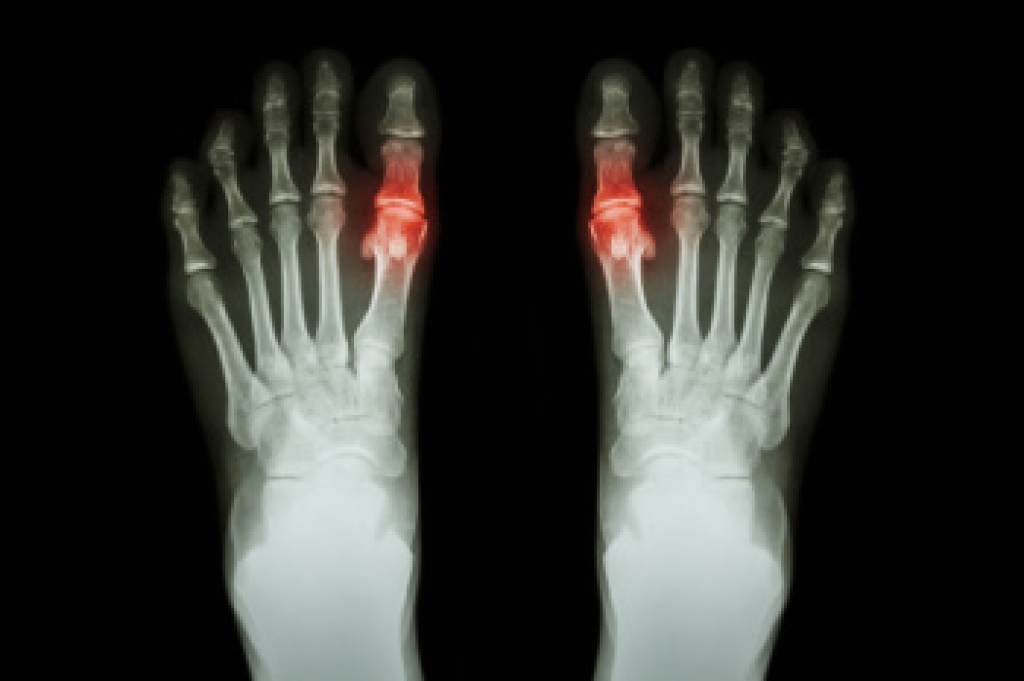
Bone spurs are areas of extra bone that can form near a joint. In the foot, they often develop around the big-toe joint, heel, or ankle. A bone spur does not always cause symptoms. However, it can press against nearby tissue, restrict movement, and make wearing shoes uncomfortable. Pain, stiffness, or a hard bump can interfere with walking. Arthritis, injury, and repeated stress can contribute to their formation. A podiatrist can examine the foot and use X-rays to confirm the spur's location and size.

Bone spur surgery is usually considered when pain continues despite treatment or when joint movement is severely limited. The procedure depends on the spur's location and the condition of the joint. For a spur on the big-toe joint, the podiatrist may remove the extra bone through an incision. The podiatrist may also remove damaged tissue around the joint. In advanced cases, another procedure may be necessary to stabilize or realign the joint. Before recommending surgery, the podiatrist reviews circulation, nerve function, and overall health. These factors help determine whether the foot is likely to heal properly.

Recovery varies with the procedure. After bone spur removal, care includes resting the foot, using a special shoe, and keeping the incision clean. The podiatrist provides instructions about weight-bearing and a safe return to regular shoes. Follow-up visits allow the podiatrist to check healing, remove stitches, and monitor joint movement. Possible problems include infection, delayed healing, and continued pain. Stiffness or another spur can develop later. Patients should report redness, drainage, or severe pain. Follow-up care can protect the incision and help the foot regain movement. The goal of surgery is to reduce pain and improve function, although results depend on the amount of joint damage. If you have symptoms of a bone spur on the big toe, it is suggested that you schedule an appointment with a podiatrist for diagnosis and appropriate treatment.

Foot surgery is sometimes necessary to treat a foot ailment. To learn more, contact Franklin Harry, DPM of Best Foot Forward. Our doctor will assist you with all of your foot and ankle needs.

When Is Surgery Necessary?

Foot and ankle surgery is generally reserved for cases in which less invasive, conservative procedures have failed to alleviate the problem. Some of the cases in which surgery may be necessary include:

  • Removing foot deformities like bunions and bone spurs
  • Severe arthritis that has caused bone issues
  • Cosmetic reconstruction

What Types of Surgery Are There?

The type of surgery you receive will depend on the nature of the problem you have. Some of the possible surgeries include:

  • Bunionectomy for painful bunions
  • Surgical fusion for realignment of bones
  • Neuropathy decompression surgery to treat nerve damage

Benefits of Surgery

Although surgery is usually a last resort, it can provide more complete pain relief compared to non-surgical methods and may allow you to finally resume full activity.

Surgical techniques have also become increasingly sophisticated. Techniques like endoscopic surgery allow for smaller incisions and faster recovery times.

If you have any questions, please feel free to contact our offices located in Festus and St. Louis, MO . We offer the newest diagnostic and treatment technologies for all your foot care needs.

Read more about Foot and Ankle Surgery

Why Live with Pain and Numbness in Your Feet?

Suffering from this type of pain? You may have the foot condition known as Morton's neuroma. Morton's neuroma may develop as a result of ill-fitting footwear and existing foot deformities. We can help.

Why Does Athlete’s Foot Keep Coming Back?

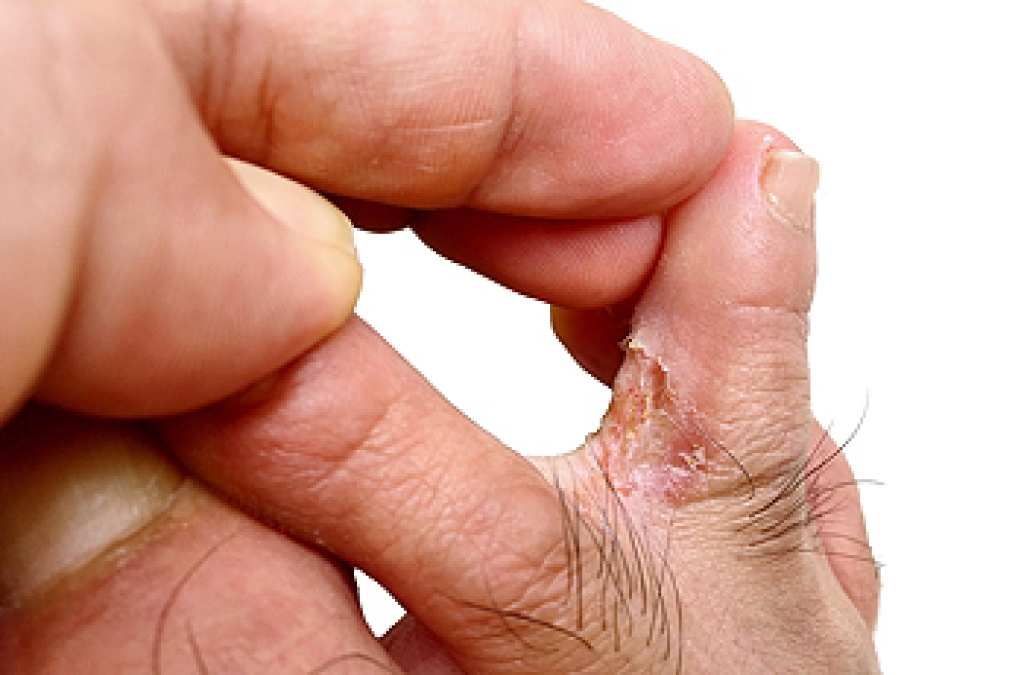
Athlete’s foot, also called tinea pedis, is a fungal infection that affects the skin of the feet. The fungi responsible for the infection grow well in warm, damp areas. Athlete’s foot can spread through direct contact with infected skin or contaminated surfaces. Locker rooms, swimming areas, and shared showers can provide conditions where the fungi survive. The infection frequently begins between the toes, where moisture can collect. People whose feet sweat heavily can have a greater risk, especially when shoes keep their feet warm and damp.

Symptoms of athlete’s foot can vary depending on the type of infection. Skin between the toes can become cracked, peeling, or irritated. Itching and burning can also develop. Another form can cause dry, scaly skin across the sole and sides of the foot. Some infections cause small blisters or areas of inflamed skin. Scratching affected skin can spread the fungi to other areas of the body. Athlete’s foot can also return after treatment, especially when the feet are repeatedly exposed to environments where the fungi thrive. Certain cases can spread to the toenails and cause additional problems.

A podiatrist can examine the affected skin and determine whether the symptoms are caused by athlete’s foot or another skin condition. In some cases, a small skin sample can be tested to confirm a fungal infection. A podiatrist can recommend antifungal treatment based on the location and severity of the infection. Prescription treatment can be considered when an infection is persistent or more difficult to control. Proper diagnosis is important because other skin problems can resemble athlete’s foot and require different care. If you have symptoms of athlete’s foot, it is suggested that you schedule an appointment with a podiatrist for a diagnosis and appropriate treatment.

Athlete’s Foot

Athlete’s foot is often an uncomfortable condition to experience. Thankfully, podiatrists specialize in treating athlete’s foot and offer the best treatment options. If you have any questions about athlete’s foot, consult with Franklin Harry, DPM from Best Foot Forward. Our doctor will assess your condition and provide you with quality treatment.

What Is Athlete’s Foot?

Tinea pedis, more commonly known as athlete’s foot, is a non-serious and common fungal infection of the foot. Athlete’s foot is contagious and can be contracted by touching someone who has it or infected surfaces. The most common places contaminated by it are public showers, locker rooms, and swimming pools. Once contracted, it grows on feet that are left inside moist, dark, and warm shoes and socks.

Prevention

The most effective ways to prevent athlete’s foot include:

  • Thoroughly washing and drying feet
  • Avoid going barefoot in locker rooms and public showers
  • Using shower shoes in public showers
  • Wearing socks that allow the feet to breathe
  • Changing socks and shoes frequently if you sweat a lot

Symptoms

Athlete’s foot initially occurs as a rash between the toes. However, if left undiagnosed, it can spread to the sides and bottom of the feet, toenails, and if touched by hand, the hands themselves. Symptoms include:

  • Redness
  • Burning
  • Itching
  • Scaly and peeling skin

Diagnosis and Treatment

Diagnosis is quick and easy. Skin samples will be taken and either viewed under a microscope or sent to a lab for testing. Sometimes, a podiatrist can diagnose it based on simply looking at it. Once confirmed, treatment options include oral and topical antifungal medications.

If you have any questions, please feel free to contact our offices located in Festus and St. Louis, MO . We offer the newest diagnostic and treatment technologies for all your foot care needs.

Read more about Athlete’s Foot

Peroneal Tendonitis and Outer Ankle Pain

Peroneal tendonitis is inflammation or irritation of the peroneal tendons along the outer side of the ankle. These tendons connect muscles in the lower leg to bones in the foot and help stabilize the ankle during activity. Symptoms can include outer ankle pain, tenderness, and difficulty moving. Some people notice weakness in the ankle or a burning sensation. Symptoms may become more noticeable after running, hiking, or activities that repeatedly stress the ankle. These structures support ankle balance.

Risk factors for peroneal tendonitis can include repetitive ankle motion, especially when activity increases too quickly. Running on uneven surfaces can place extra strain on the tendons. Ankle injuries, including sprains, may irritate these structures. Wearing poor footwear can contribute by providing inadequate support. Additionally, people with foot alignment concerns may experience additional stress because tendons work harder. Without care, continued irritation can make everyday movement uncomfortable. A history of repeated ankle sprains can also raise risk.


A podiatrist begins treatment by examining the ankle and reviewing symptoms and previous injuries. The foot and ankle may be checked for tenderness, swelling, and weakness. Imaging tests may be recommended to rule out another injury. Treatment can include reducing aggravating activities and using supportive footwear or bracing. A podiatrist may also recommend medication and provide guidance for a gradual return to activity. Severe tendon damage may require advanced treatment.


Paying attention to outer ankle pain can often help prevent worsening. Resting from activities that trigger symptoms can give irritated tendons time to recover. Wearing supportive shoes may reduce strain. Seek professional care if swelling, weakness, or burning persists, especially if pain interferes with walking. If you have ankle pain, it is suggested that you consult a podiatrist who can accurately diagnose and treat peroneal tendonitis. 

Ankle pain can be caused by a number of problems and may be potentially serious. If you have ankle pain, consult with Franklin Harry, DPM from Best Foot Forward. Our doctor will assess your condition and provide you with quality foot and ankle treatment.

Ankle pain is any condition that causes pain in the ankle. Due to the fact that the ankle consists of tendons, muscles, bones, and ligaments, ankle pain can come from a number of different conditions.

Causes

The most common causes of ankle pain include:

  • Types of arthritis (rheumatoid, osteoarthritis, and gout)
  • Ankle sprains
  • Broken ankles
  • Achilles tendonitis
  • Achilles tendon rupture
  • Stress fractures
  • Bursitis
  • Tarsal tunnel syndrome
  • Plantar fasciitis

Symptoms

Symptoms of ankle injury vary based upon the condition. Pain may include general pain and discomfort, swelling, aching, redness, bruising, burning or stabbing sensations, and/or loss of sensation.

Diagnosis

Due to the wide variety of potential causes of ankle pain, podiatrists will utilize a number of different methods to properly diagnose ankle pain. This can include asking for personal and family medical histories and of any recent injuries. Further diagnosis may include sensation tests, a physical examination, and potentially x-rays or other imaging tests.

Treatment

Just as the range of causes varies widely, so do treatments. Some more common treatments are rest, ice packs, keeping pressure off the foot, orthotics and braces, medication for inflammation and pain, and surgery.

If you have any questions please feel free to contact our offices located in Festus and St. Louis, MO . We offer the newest diagnostic tools and technology to treat your foot and ankle needs.

Read more about Various Causes of Ankle Pain

When Foot Pain Is Linked to Sciatica

Foot pain from sciatica occurs when a nerve in the lower back becomes irritated or compressed. The pain travels along the sciatic nerve, which runs from the lower back through the leg and into the foot. It can affect the ankle or different areas of the foot. Symptoms include burning pain, tingling, and numbness. Some patients also develop muscle weakness that affects balance or makes it harder to lift the front of the foot. The location of the pain depends on which part of the nerve is irritated.

Because sciatica can feel like a foot problem, a careful examination is important. Similar symptoms can result from an injured nerve in the foot and poor circulation or another foot condition. A podiatrist can ask where the pain begins and whether it travels down the leg. The doctor can also test strength, sensation, and reflexes. The way a patient stands and walks can provide further clues. Imaging or nerve tests can help clarify the cause when the examination does not provide enough information. Sudden weakness, loss of bladder control, or numbness around the groin requires immediate medical attention.

A podiatrist can help manage the effects that sciatic nerve pain has on the feet. Custom orthotics can improve foot position and provide better support while walking. A brace can steady the ankle when weakness causes the foot to drag or makes the joint unstable. The podiatrist can also recommend properly fitted shoes that support balance and reduce pressure on painful areas. Regular foot examinations are especially important when numbness makes cuts, blisters, or skin irritation harder to notice. The podiatrist can monitor changes in strength and walking patterns. Surgery is generally reserved for severe cases with serious or worsening nerve problems. If you have foot pain related to sciatica, it is suggested that you schedule an appointment with a podiatrist for a diagnosis and appropriate treatment.

Foot Pain

Foot pain can be extremely painful and debilitating. If you have a foot pain, consult with Franklin Harry, DPM from Best Foot Forward. Our doctor will assess your condition and provide you with quality foot and ankle treatment.

Causes

Foot pain is a very broad condition that could be caused by one or more ailments. The most common include:

  • Bunions
  • Hammertoes
  • Plantar Fasciitis
  • Bone Spurs
  • Corns
  • Tarsal Tunnel Syndrome
  • Ingrown Toenails
  • Arthritis (such as Gout, Rheumatoid, and Osteoarthritis)
  • Flat Feet
  • Injury (from stress fractures, broken toe, foot, ankle, Achilles tendon ruptures, and sprains)
  • And more

Diagnosis

To figure out the cause of foot pain, podiatrists utilize several different methods. This can range from simple visual inspections and sensation tests to X-rays and MRI scans. Prior medical history, family medical history, and any recent physical traumatic events will all be taken into consideration for a proper diagnosis.

Treatment

Treatment depends upon the cause of the foot pain. Whether it is resting, staying off the foot, or having surgery; podiatrists have a number of treatment options available for foot pain.

If you have any questions, please feel free to contact our offices located in Festus and St. Louis, MO . We offer the newest diagnostic and treatment technologies for all your foot care needs.
Read more about Foot Pain
scroll to top